
FIELD GUIDE — WARNING SIGNS
A kitchen that feels dated doesn’t always need replacing. Sometimes new doors, a benchtop or a splashback will do the job. Other times the wear you can see points to a problem underneath, such as swollen carcasses, moisture at the sink base or a floor that has dropped. This guide goes through the common signs and how to tell a surface refresh from a deeper kitchen renovation in St Kilda.
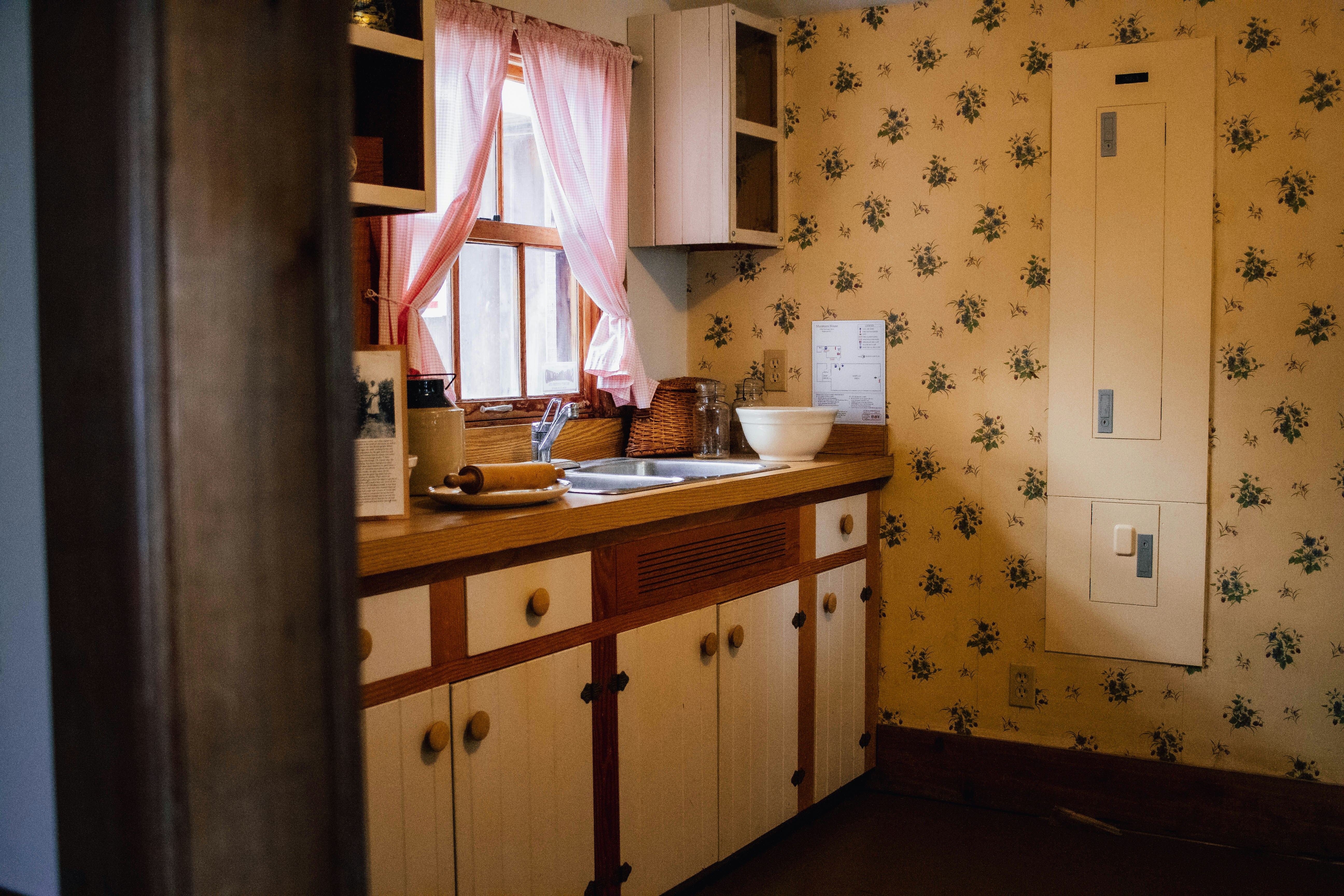
REFERENCE: OLDER KITCHEN WITH DATED FITTINGS.
A — FIVE COMMON SIGNS
Each of these can be cosmetic, or it can be a symptom of something else. What matters is the cause.
If you have nowhere to put things down, an extra shelf rarely fixes it. Reworking the cabinet interiors within the same footprint may be enough, or the layout itself may need to change. The layout, cabinetry and storage guide sets out both routes.
Chipped laminate and scuffed doors are often just wear. Swelling along the edges, especially around the sink or dishwasher, usually means water has got into the board. Find the source before replacing anything.
Look for a sink, cooktop and fridge spread too far apart, or doors and drawers that clash. Moving those points usually means plumbing or electrical changes, which are carried out by appropriately licensed trades.
Grout that stays dark, gaps behind the benchtop and sealant that has failed can be surface problems. They can also mean water is getting behind the splashback.
Tired hinges and drawer runners can often be replaced on their own. Taps, appliance connections and power points that involve regulated work go to the right licensed practitioner.
B — REFRESH OR RENOVATE
Read this as a sliding scale rather than a diagnosis. The same symptom can sit in a different column once the cabinets are opened up.
OFTEN SURFACE-LEVEL
Dated doors on sound carcasses
Worn handles, hinges and runners
A splashback you dislike, fixed to a sound wall
Scuffed paintwork
NEEDS A CLOSER LOOK
Laminate lifting at the edges
Cracked or darkened grout
Slight swelling near the sink
Doors that won’t stay aligned
OFTEN POINTS TO DEEPER WORK
Soft or swollen cabinet bases
Signs of past leaks under the sink
An uneven or springy floor
A layout that needs the sink or cooktop moved
C — BEFORE CHOOSING FINISHES
If you replace visible finishes without first checking moisture, the substrate, service access and any underlying damage, you can end up redoing the work. A new benchtop on a swollen carcass, or tiles on a wall that is still damp, will show the same problem again.
That’s why Ivan Bodnar looks at the existing structure, surfaces, moisture and services during a free on-site assessment, before he recommends finishes or layout changes. A written quotation follows the assessment. Ivan is an independent sole trader and doesn’t claim trade licences or builder registration. Regulated plumbing and electrical work is carried out by appropriately authorised specialists.
No inspection can reveal every concealed issue. The scope, permits and licensed trade requirements vary from one kitchen to the next. Surface preparation and concealed conditions covers this in more detail.

D — NOTES TO MAKE FIRST
☐ What bothers you most: storage, surfaces, layout, cleaning or fittings
☐ Whether you’d prefer to keep the existing layout
☐ Any swelling, leaks or uneven flooring you’ve noticed
☐ If it’s an apartment, any owners corporation conditions (see apartment and heritage considerations)