

A new benchtop, splashback, floor or coat of paint is only as sound as the surface underneath it. Before recommending finishes for your kitchen renovation, Ivan Bodnar looks at what they will actually sit on: moisture, substrate, service access and any underlying damage.
Ivan’s preparation value is simple: assess what new finishes will sit on. These are the checks made during the free on-site assessment, before a written quotation is prepared.
Signs of past leaks around the sink, dishwasher or window: swollen board, staining, soft spots or mould. A new finish over damp material can fail early.
Whether walls, floors and cabinet carcasses are firm, flat and suitable for the proposed finish, or need surface preparation first.
Where plumbing and wiring run, and whether they can still be reached once new finishes are in. Changes go to licensed trades.
Cracked plaster, loose tiles, rot or past patch repairs that a fresh surface would only hide for a while.
Suitable materials depend on the conditions in the room and how your household uses the kitchen. Ivan explains practical options rather than defaulting to one product.
BENCHTOPS
What it sits on: cabinet carcasses and supports.
Carcasses need to be level, sound and dry, particularly under the sink. Reusing cabinets is often possible; see Can Existing Kitchen Cabinets Be Reused?
SPLASHBACKS
What it sits on: the wall behind the bench.
The wall should be flat and stable enough for tile or sheet material. Old tiles, loose plaster and power point positions are checked first. More on splashback & kitchen tiling.
FLOORING
What it sits on: the subfloor.
“The floor is uneven” is a common starting point. Levelness, movement and moisture affect which flooring is suitable. See kitchen flooring.
PAINT
What it sits on: plaster, timber or previous coatings.
Kitchens see steam, grease and frequent cleaning. Cracks, patches and grease are dealt with before painting, and the coating is chosen for wipeable use. See plastering and painting.
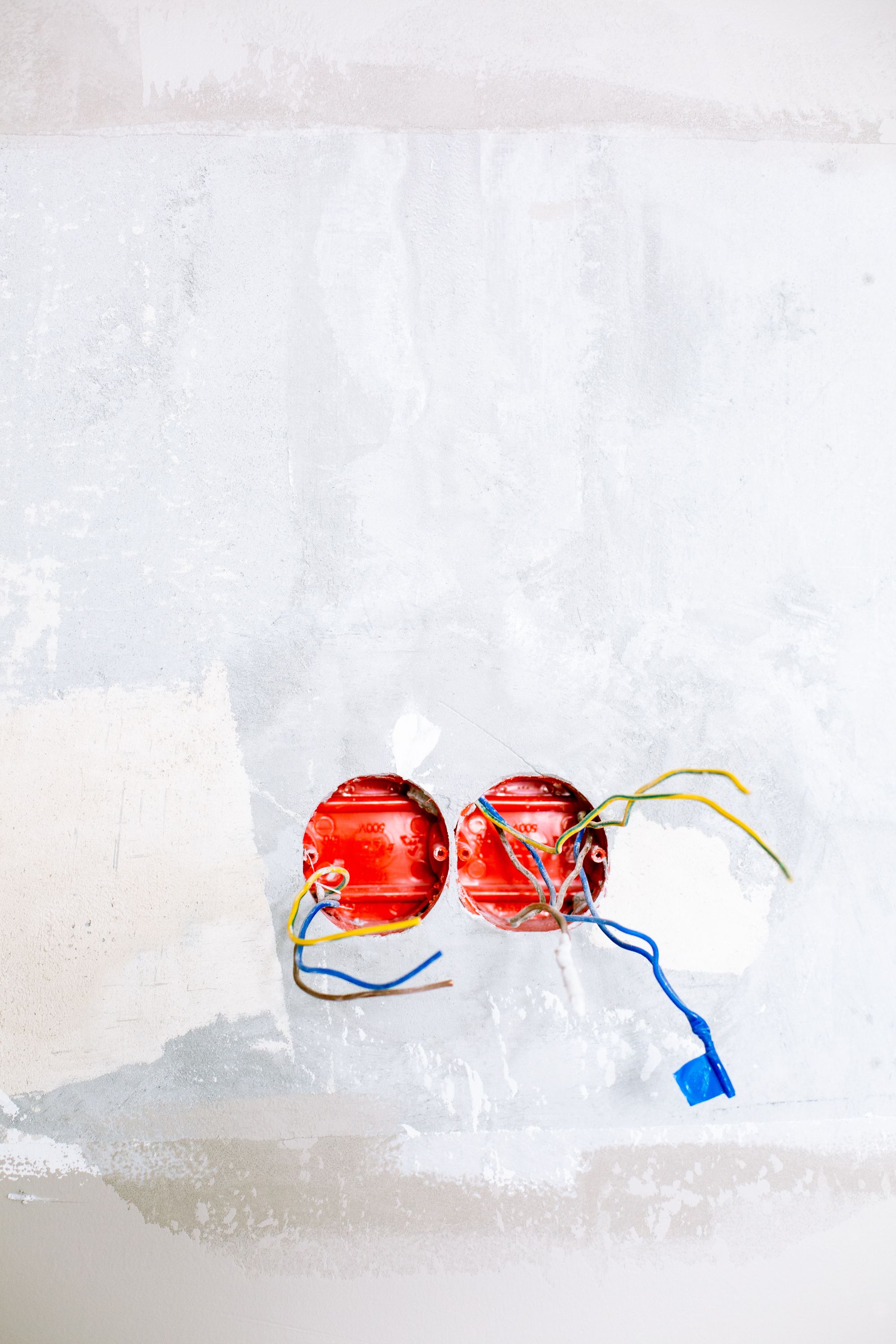
Service access is checked before finishes go on; any electrical work is done by a licensed electrician (illustrative image).
Replacing visible finishes before checking moisture, substrate suitability, service access and underlying damage can cause avoidable rework: lifting tiles, cracked paint, a benchtop that has to come off to reach a leak.
That is why the appropriate scope depends on inspection. Even so, an inspection cannot reveal every concealed issue. Some conditions only show once cabinets or old finishes are removed (read What May Be Behind the Cabinets). If that happens, Ivan explains what has been found and the practical options before going further.
Ivan is an independent sole trader and does not claim builder registration or trade licences. Plumbing and electrical work is carried out by appropriately authorised specialists.
01 Kitchen Renovation in St Kilda
02 Who Does What: Ivan and Licensed Trades
If your kitchen is worn or due for an update, start with a conversation about what is already there.