
A splashback can look like a simple swap. Whether it really is depends on what sits behind it. Before recommending tiles, adhesive or a layout, Ivan Bodnar checks the wall, the floor, the substrate and any nearby services. He prepares a free written quotation after the on-site assessment.
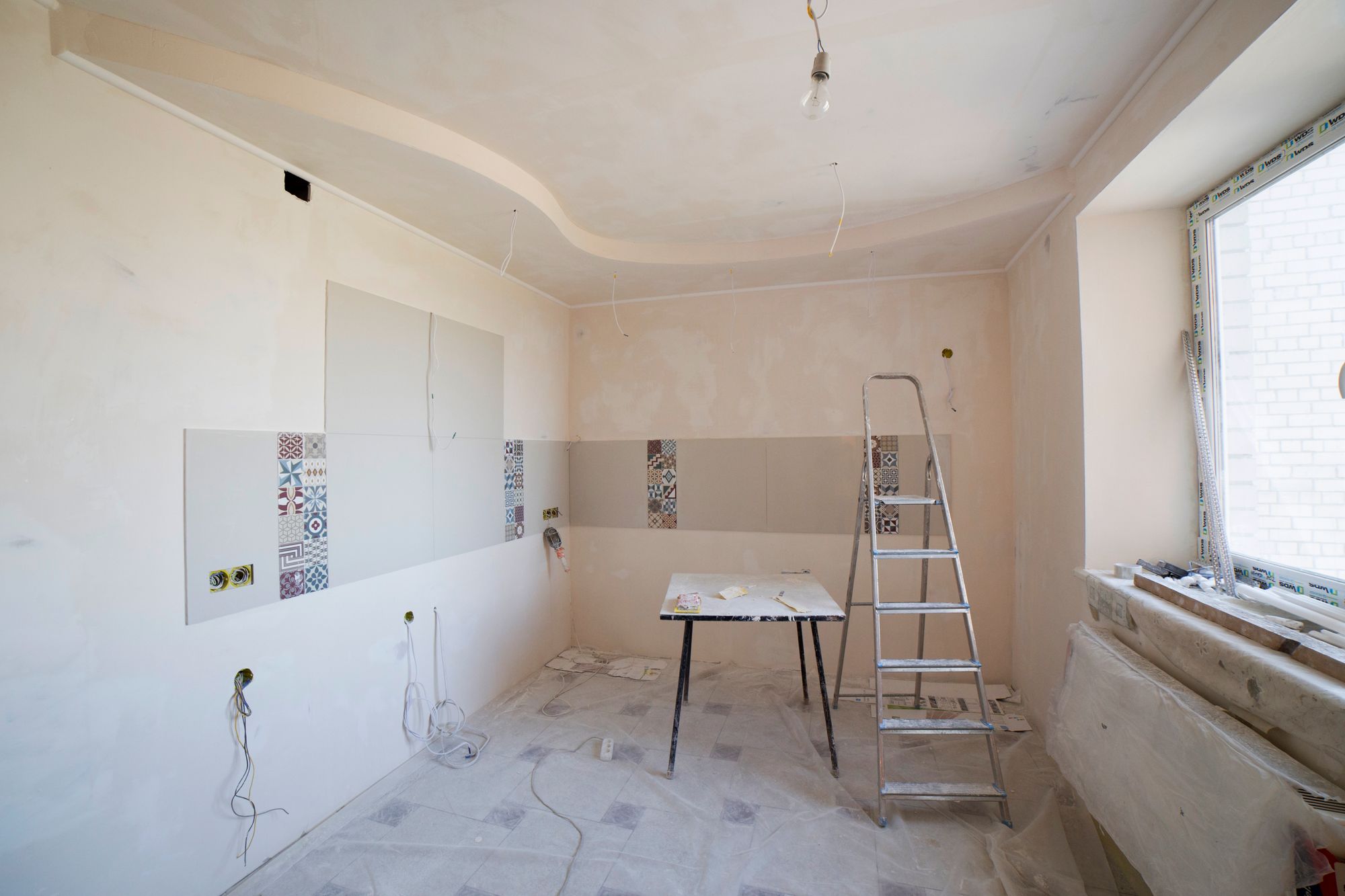
Usually, yes. But the honest answer comes once the existing splashback has been looked at properly.
Removing old tiles, glass or a panel can damage the plasterboard or render behind it. It can also reveal old adhesive, an uneven wall or moisture near the sink. Sometimes the wall only needs repair and surface preparation. Sometimes a section has to be replaced before any tile goes on. Whether tiling over the existing surface is suitable at all is part of the same assessment.
Power points, switches and taps set into the splashback matter too. If any of them need to move, that work is done by appropriately licensed trades. Ivan explains the practical options and the reasons behind each one, so you can decide what to keep and what to replace.
Leaks and condensation around the sink and dishwasher can affect both wall and floor substrates. Tiling over damp material only traps the problem.
Plasterboard, render, masonry, timber and old tiles all behave differently. Is the surface sound and flat, and is it suitable for the tile and adhesive chosen?
Outlets, taps and waste connections have to line up with the finished surface. Any changes to them are made by licensed trades.
Loose sheets, cracking or a damaged floor base are dealt with before new finishes go on. Doing it the other way round leads to rework. More on surface preparation →

SPLASHBACK
This is the most visible tiling in a kitchen and the surface that takes the most water and heat. The setout around the window, cooktop, rangehood and outlets is planned before the first tile goes on.
WALL TILING
Larger tiled areas depend even more on a flat, sound wall. Suitable materials are chosen for the substrate and for the way the kitchen is used.
FLOOR TILING
An uneven or flexing floor will show through new tiles. Levels, door clearances and the cabinetry plinth line all need checking. See Kitchen Flooring for the alternatives.
An on-site assessment cannot reveal every concealed issue behind tiles or cabinets. If something turns up once the old splashback is removed, Ivan explains what he has found and talks through how it affects the scope before going further. Scope, permits and licensed trade requirements vary from one kitchen to the next. What may be behind the cabinets →
Ivan is an independent sole trader. He does not claim builder registration or trade licences. Licensed plumbing and electrical work is carried out by appropriately authorised specialists. Who does what →
Free On-site Kitchen Assessment / The Written Quotation / Apartment Kitchens & Owners Corporation Considerations / Layout, Cabinetry & Storage Options
Ivan’s tiling work also extends beyond the kitchen, including Bathroom Tiling and Plasterboard Installation & Plastering. On this site, though, the kitchen comes first.
To discuss a splashback or kitchen tiling in St Kilda, call Ivan between 9:00 and 18:00, Monday to Sunday, or send an enquiry through the contact page.